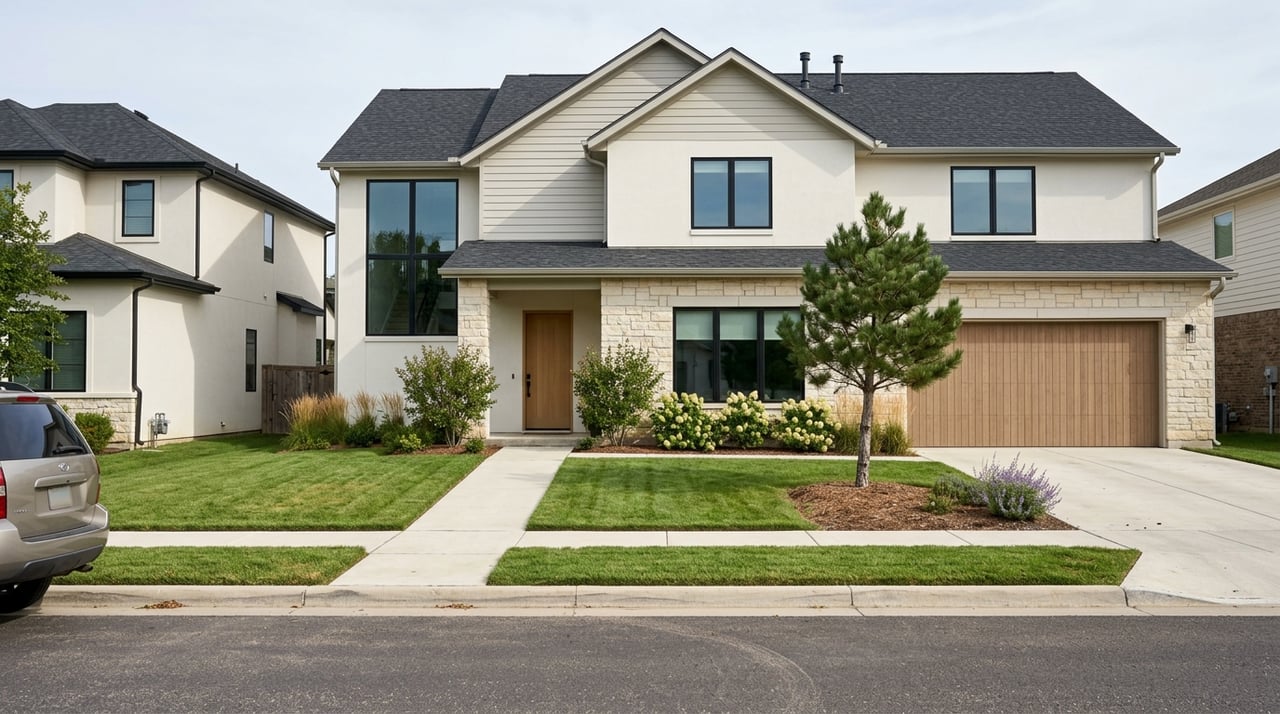
Moving to Denver can feel exciting and a little overwhelming at the same time. You might love the idea of mountain access, city energy, and more sunshine, but still wonder where your day-to-day life will actually fit best. The good news is that comparing Denver neighborhoods gets much easier when you focus on how you want to live, not just what looks good on a map. Let’s break it down.
Start With Your Daily Routine
If you are relocating to Denver, the best first step is to think beyond neighborhood names. Denver’s planning framework shows that the city and surrounding areas vary by built form, density, street layout, parking, and green space, which shapes how each place feels on a daily basis.
That means your ideal area often comes down to a few simple questions. How do you want to commute? What type of home do you want? How important are walkability, trail access, and a more urban or suburban feel?
Compare Denver By Lifestyle
Denver is not one-note. Some areas are denser and more mixed-use, while others are more spread out and centered around parks, trails, and a driving-based routine.
A smart way to compare neighborhoods is to use five lifestyle filters:
- Commute style
- Housing type
- Walkability
- Park and trail access
- Urban versus suburban feel
If you use those filters first, your shortlist becomes much more manageable.
Urban Denver: What It Feels Like
Denver’s central neighborhoods are generally the best fit if you want a denser, more connected environment. According to Blueprint Denver, downtown and urban center areas have the city’s highest mix of uses, with multi-unit housing, mixed-use buildings, regular block patterns, and stronger multimodal access.
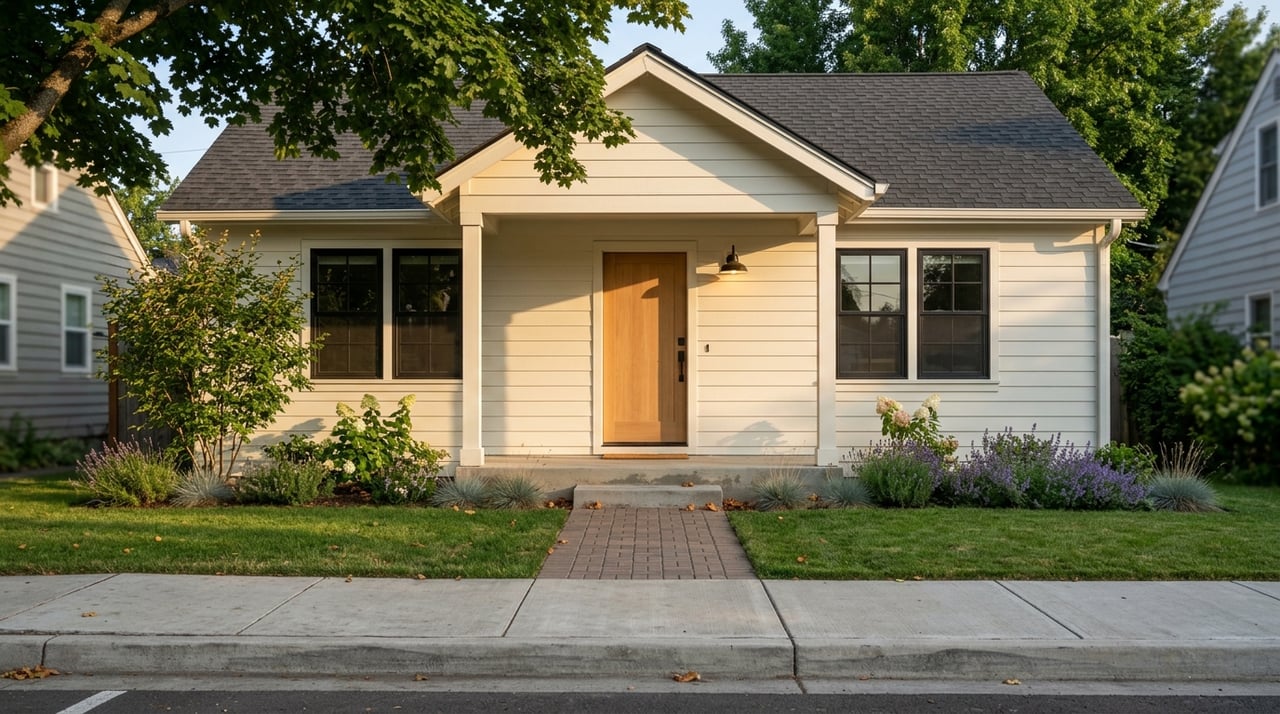
In practical terms, that usually means more apartments, condos, and compact single-family homes. It also tends to mean easier access to transit, bike routes, and a more walkable street grid than you will find in many suburban parts of the metro area.
Downtown-Adjacent Areas
If you picture yourself close to restaurants, events, transit, and street activity, downtown-adjacent neighborhoods may be worth a close look. Visit Denver highlights LoDo as a historic 25-block district anchored by Union Station, McGregor Square, Dairy Block, and Larimer Square.
That kind of environment can be a strong match if you want a lively routine and easy access to the urban core. It can also be appealing if you prefer spending less time driving and more time in mixed-use areas.
Creative Central Neighborhoods
Areas like RiNo, Highland, and the Art District on Santa Fe are often part of a first-pass search for buyers who want a more urban lifestyle. Visit Denver points to these neighborhoods for art, food, live music, and street life.
If your ideal day includes coffee shops, galleries, local restaurants, and a more active street scene, these areas may feel more aligned with what you want. They offer a different rhythm than suburban communities farther south.
South Metro: What It Feels Like
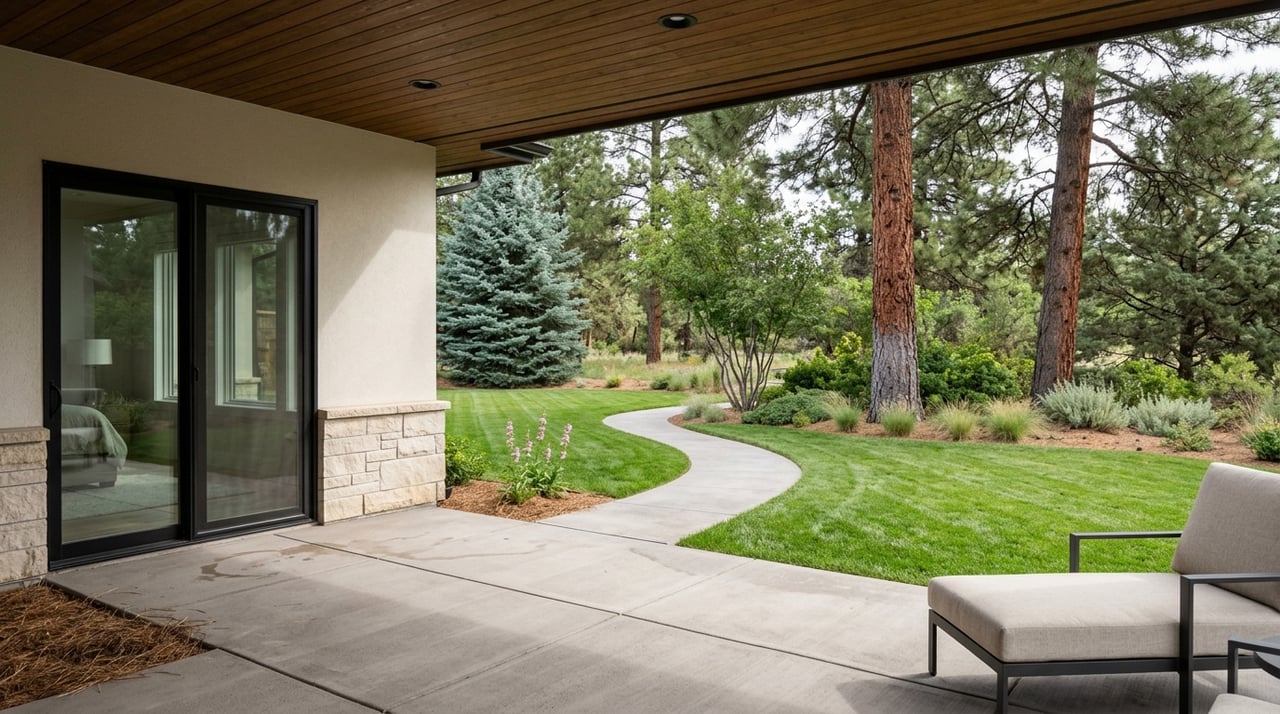
If you want more space, a quieter residential pattern, and strong access to parks and trails, the south metro may be a better fit. Blueprint Denver describes suburban contexts as lower-scale, more set back from the street, and more car-oriented, often with curving block patterns.
In everyday life, that often translates into a more suburban routine. You may find more detached homes, townhomes, neighborhood recreation, and stronger emphasis on open space than on dense, walkable blocks.
Littleton as a Middle Ground
Littleton is useful because it can serve as a bridge between urban and suburban preferences. The city reports more than 1,400 acres of parks and open space and more than 200 miles of trails.
If you want strong outdoor access without feeling too far removed from the broader metro, Littleton is often a practical comparison point. It gives you a chance to weigh suburban living patterns against a still-connected location.
Lone Tree for Transit and Trails
Lone Tree stands out for buyers who want a suburban feel with some rail-connected mobility. The city’s active transportation planning focuses on connecting neighborhoods to parks, shopping, workplaces, and transit, and local trail information highlights routes like Willow Creek Trail and the Bluffs Regional Park loop.
For a relocator, that can be a meaningful advantage. If you want suburban living but still care about access to transit options and connected trails, Lone Tree deserves a spot on your list.
Centennial, Highlands Ranch, Parker, and Castle Pines
These communities tend to appeal to buyers who want a more suburban routine centered around recreation and open space. Centennial reports more than 100 parks, 100 miles of trails, and more than 4,000 acres of open space.
Highlands Ranch notes a trail system of nearly 70 miles along with parks, recreation programs, and natural open space areas. Parker’s local planning emphasizes parks, trails, and active community connections, while Castle Pines reports nearly 60 miles of trails, 122 acres of parks, and more than 1,850 acres of open space.
If outdoor access and residential scale matter more to you than dense city blocks, these areas may be stronger fits than central Denver neighborhoods.
Commute Matters More Than You Think
A neighborhood can look great online and still feel wrong if your commute does not work. Denver’s mean travel time to work is 24.9 minutes in the 2020 to 2024 ACS estimate, which makes commute planning an important part of your relocation search.
Before you narrow your options, think honestly about how often you will need to be in an office, how flexible your schedule is, and whether you are comfortable driving most days. Those answers can quickly shift which neighborhoods make sense.
Rail Access in Denver and South Metro
RTD serves eight counties and provides bus, rail, shuttles, ADA paratransit, and other services across the region. Its rail network includes 12 lines and 78 stations, including the A Line to Denver Airport Station and the E Line to RidgeGate Parkway Station.
Current station information also shows south metro access points such as Littleton / Mineral Station and Lone Tree-area stations including RidgeGate Parkway, Lone Tree City Center, and Sky Ridge. If rail matters to your daily routine, areas near these stations may deserve extra attention.
Driving-Oriented Versus Mixed-Mode Living
Here is the trade-off in simple terms. Neighborhoods near downtown, Union Station, or RTD rail stations are generally better suited to rail and mixed-mode commuting, while farther suburban areas tend to be more driving-oriented.
Neither is automatically better. It depends on whether you value walkability and transit access more, or whether you prefer more residential space and do not mind spending more time in the car.
Use Housing Type as a Filter
Your preferred home style can help narrow your search quickly. In central Denver, you are more likely to find apartments, condos, mixed-use buildings, and smaller single-family homes compared with many south metro communities.
In more suburban areas, you may be looking at a wider mix of detached homes and townhomes in neighborhoods shaped around parks, open space, and local amenities. If you already know the kind of home that fits your budget and lifestyle, use that early in the process.
Don’t Overlook Park Access
Many relocation buyers focus on commute and home style first, then realize outdoor access matters just as much. Denver Parks and Recreation says it operates 30 recreation centers and nearly 20,000 acres of urban and mountain parkland, including off-street trails, parkways, and natural areas.
That means both Denver proper and the south metro offer meaningful outdoor options, but in different ways. In central Denver, access may look more like city parks, recreation centers, and connected urban trails. In the south metro, it may look more like open space systems, neighborhood trails, and a more residential outdoor routine.
A Simple First-Pass Shortlist
If you are just getting started, this framework can help you sort your options quickly.
If You Want the Most Urban Feel
- LoDo
- RiNo
- Highland
- Art District on Santa Fe
- Other downtown-adjacent central neighborhoods
If You Want a City-Suburb Balance
- Littleton
- Lone Tree
If You Want a More Suburban Routine
- Centennial
- Highlands Ranch
- Parker
- Castle Pines
This is not about picking the “best” area. It is about finding the place that best matches your routine, commute, and housing goals.
Questions to Ask Before You Choose
As you compare neighborhoods in Denver, keep your search grounded in real daily needs. A polished listing or a popular area name does not tell you how your week will actually feel.
Ask yourself:
- How will you commute most days?
- What home type fits your needs right now?
- How much walkability do you expect?
- How important is trail or park access?
- Do you want a more urban or suburban routine?
If you can answer those five questions clearly, you will be much closer to the right neighborhood fit.
Relocating to Denver is a big move, but it does not have to feel confusing. When you compare neighborhoods through the lens of lifestyle, commute, housing type, and outdoor access, the search becomes much more practical. If you want candid guidance as you narrow down Denver, Lone Tree, Littleton, Parker, Castle Pines, Highlands Ranch, Centennial, or other metro options, Stacy Connelly can help you sort through the trade-offs and move forward with clarity.
FAQs
How should you compare neighborhoods when relocating to Denver?
- Start with your daily routine, then compare areas by commute style, housing type, walkability, park and trail access, and whether you want an urban or suburban feel.
Which Denver areas feel most urban for relocating buyers?
- Downtown-adjacent neighborhoods and central creative districts like LoDo, RiNo, Highland, and the Art District on Santa Fe tend to offer the most urban feel.
Which south metro areas are helpful to compare for relocation?
- Littleton and Lone Tree are useful middle-ground options, while Centennial, Highlands Ranch, Parker, and Castle Pines are often stronger fits for a more suburban routine.
How important is transit when choosing a Denver neighborhood?
- Transit can be a major factor, especially if you want rail or mixed-mode commuting. Areas near downtown, Union Station, or RTD rail stations may fit better than more driving-oriented suburban locations.
What makes Lone Tree worth comparing for Denver relocation?
- Lone Tree offers a suburban living pattern with trail connections and access to rail-area mobility, making it a strong option for buyers who want both space and connectivity.
What should you prioritize first when narrowing Denver neighborhoods?
- The most helpful first priorities are usually your commute, preferred home type, expected walkability, outdoor access, and whether you want city energy or a more suburban pace.