If you want a place that feels connected and comfortable without giving up everyday convenience, Parker deserves a close look. For many buyers and sellers, the challenge is finding a community that offers real character, easy access to daily needs, and a lifestyle that still feels personal. Parker stands out because it blends a historic hometown atmosphere with the practical amenities many people want today. Let’s take a closer look.
Why Parker Stands Out
Parker is located in Douglas County, about 20 miles southeast of Denver. According to the town, it was founded in 1864, incorporated in 1981, and covers 22.4 square miles, with a population of about 72,147 as of January 1, 2026.
What makes Parker memorable is that it does not lean entirely on old-town charm or modern growth alone. The town’s own planning and visitor materials point to a balance of both, with a preserved historic core, active community spaces, growing trail connections, and access to services that support day-to-day life.
Downtown Parker Feels Like A Real Town Center
One of Parker’s biggest strengths is its downtown. The town describes downtown and Mainstreet as the heart of the community, tied closely to Parker’s economic, cultural, and social life.
That matters because in some suburban areas, a downtown can feel more like a theme than a true gathering place. In Parker, many historic properties are still in active use, which helps the area feel lived-in and relevant rather than simply preserved for appearance.
Historic Character Still Shapes Daily Life
Parker says its first structures date back to the 1860s. The town’s self-guided historic walking tour highlights places like the Schoolhouse, Ruth Memorial Chapel, and Parker Creamery, all of which help tell the story of the community’s roots.
This historic layer gives Parker a stronger sense of place than you often find in newer suburban communities. If you value a town with visible history and a recognizable identity, that can be a meaningful part of the appeal.
Small-Town Feel Is Part Of The Plan
Parker’s small-town character is not accidental. The town’s 2035 Master Plan says implementation should help preserve that small-town feel while keeping Parker a great place to live.
The town’s design standards also support that goal. Official planning documents say those standards are intended to preserve and enhance Parker’s small-town character, which helps explain why newer development can still feel cohesive and orderly.
Community Life Is Easy To See
Parker’s sense of community is not just something people say about it. The town has a visible calendar of events and gathering spaces that support year-round activity.
For buyers who are relocating, this can be especially helpful. A place often feels easier to settle into when there are regular events, public spaces, and shared traditions that help you get oriented.
Annual Events Add Energy
The town’s signature events include:
- Bike to Work Day
- July 4 fireworks show
- Parker Proud Showcase
- Parker Fall Fest
- Mayor’s Holiday Lighting
- Hometown Holiday Experience
The Parker Chamber also promotes Parker Days in downtown Parker as a four-day festival with carnival rides, a marketplace, concerts, free admission, and local fundraising support. That kind of recurring event schedule helps reinforce Parker’s hometown identity in a practical, visible way.
Arts And Culture Go Beyond Events
Parker also has dedicated arts and performance venues. Parker Arts lists the PACE Center, The Schoolhouse, Ruth Memorial Chapel, and Discovery Park as community venues, along with a regular calendar of shows, exhibits, and classes.
That gives residents more than seasonal festivals. It adds another layer of activity for people who want community programming, performances, and local cultural events woven into everyday life.
Outdoor Amenities Support An Active Lifestyle
If access to trails, parks, and connected outdoor spaces matters to you, Parker has made that part of its identity. The town describes its trail system as one of the community’s premier amenities.
This is important because outdoor features work best when they are actually connected to daily life. In Parker, the goal is not just recreation. The town says it aims to connect trails, bike lanes, sidewalks, neighborhoods, businesses, government offices, transit stops, parks, and open space.
Trails Connect More Than Recreation
Parker says it is continuing to develop an extensive shared-use trail and sidewalk system for local and regional connectivity. That suggests the network is meant to support how people move around town, not just where they spend a Saturday afternoon.
Recent projects reflect that effort. The Dransfeldt Road Extension Project opened a new roadway and an adjacent Cherry Creek Trail segment, and Stroh Road improvements include added connections to Cherry Creek Trail and the new Lemon Gulch Trail.
Active Transportation Is Part Of Daily Life
Bike to Work Day events use the Cherry Creek Trail as a gathering point, which shows how the trail system functions as real infrastructure. For residents, that can mean easier access to parks, paths, and connections across town.
If you are comparing communities in the south metro area, this kind of trail investment can be a meaningful quality-of-life factor. It supports walking, biking, and time outdoors in a way that feels built into Parker’s layout.
Modern Convenience Is Built In
Parker’s appeal is not just about atmosphere. It also offers practical convenience through healthcare, shopping, dining, and access to nearby regional destinations.
For many households, that combination is what makes a community work long term. You can enjoy a more personal feel without being far from the services and options you use regularly.
In-Town Healthcare Matters
AdventHealth Parker is located in town and operates 24/7. The hospital offers emergency care as well as services including mother-and-baby care, heart and vascular care, orthopedics, imaging, cancer care, and wound care.
Having that level of healthcare access in town is a major convenience point. It gives Parker a substantial local services anchor that many buyers consider when evaluating where to live.
Shopping And Dining Are Close By
The town positions Parker as a place to shop, eat, and connect. It also notes that local sales tax supports public safety, roads, parks, trails, recreation facilities, and community events.
Downtown Parker includes designated parking for short visits, which can make quick errands or casual outings easier. Nearby regional shopping options also add flexibility, including Park Meadows in Lone Tree and Southlands in Aurora.
Housing Choices Support Different Needs
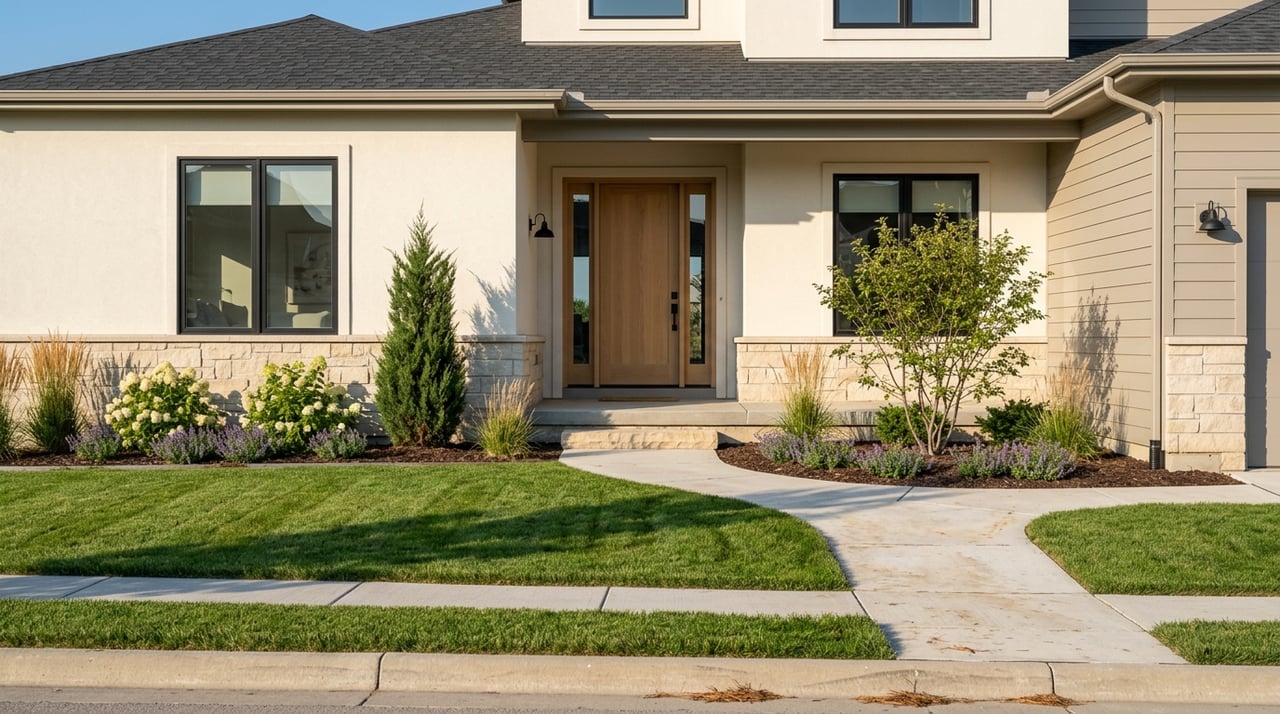
Parker’s housing story also reflects its mix of charm and convenience. The town’s planning documents describe Parker’s neighborhoods as primarily master-planned, with a mix of residential densities and dwelling types.
Current plan review requirements cover new single-family, duplex, townhouse, and multi-family projects. That range can be helpful whether you are looking for a detached home, a lower-maintenance option, or something that fits a relocation timeline or lifestyle shift.
Planned Growth Shapes The Look And Feel
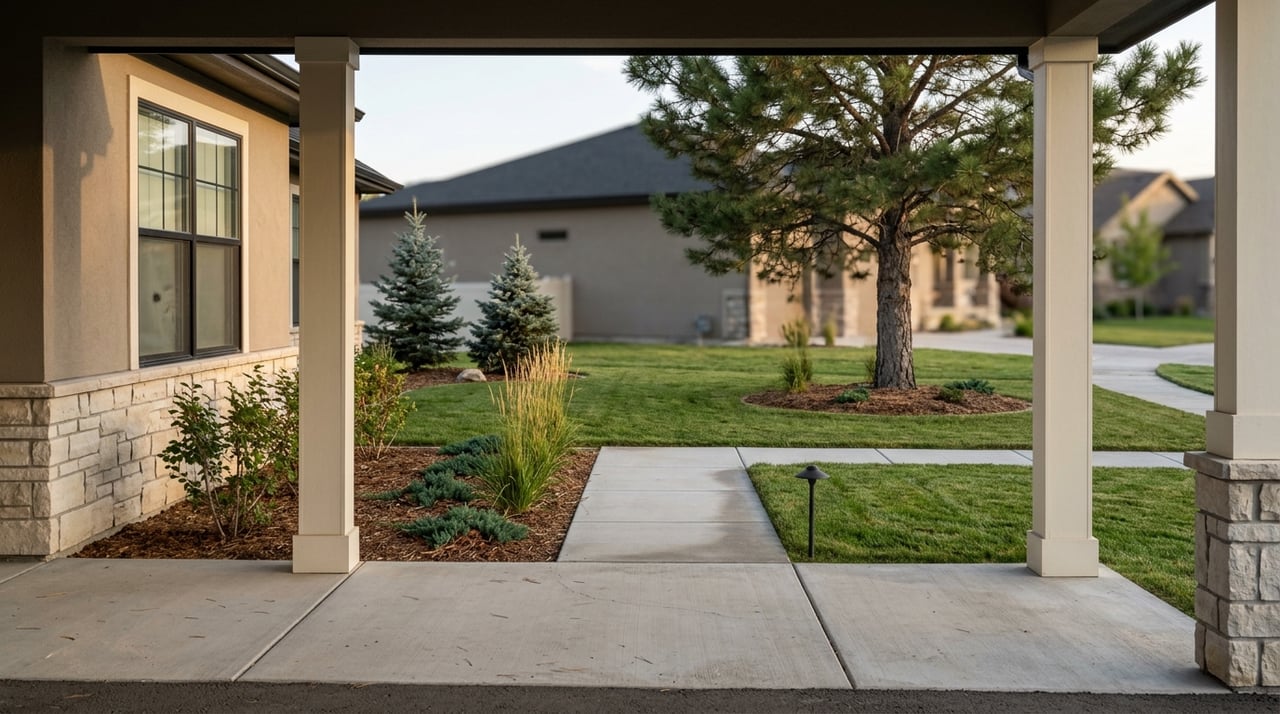
Because Parker’s growth has been guided through planning and design standards, newer areas often feel more intentional than random. That does not mean every part of town feels the same. It means the community has worked to maintain a more cohesive character as it grows.
For buyers, that can translate into neighborhoods that feel organized and connected. For sellers, it helps support a broader story about why Parker continues to attract interest.
What Parker Means For Buyers And Sellers
If you are buying in Parker, you are often choosing more than a home. You are also choosing a community with a clear identity, a historic downtown, a strong event calendar, trail access, and solid everyday convenience.
If you are selling in Parker, those same features help shape how your home fits into the larger market story. Buyers are often looking for a place that feels established, active, and easy to live in, and Parker offers that combination in a way that is easy to explain and easy to experience.
Why Local Guidance Helps
Parker has a distinct personality, but the housing options can vary by area, home type, and lifestyle fit. A move into or out of Parker usually goes more smoothly when you have straightforward advice about timing, pricing, neighborhood feel, and the tradeoffs between different parts of the south metro area.
That is where honest local guidance matters. Whether you are relocating, moving up, downsizing, or preparing to list, it helps to work with someone who can keep the process clear, calm, and practical.
If you are thinking about buying or selling in Parker, Stacy Connelly can help you make sense of your options with straightforward advice, strong communication, and local insight.
FAQs
What gives Parker, Colorado its small-town feel?
- Parker’s small-town feel comes from its historic downtown, active Mainstreet area, preserved historic buildings, community events, and town planning that specifically aims to maintain that character.
What kinds of community events happen in Parker, Colorado?
- Parker’s event calendar includes Bike to Work Day, a July 4 fireworks show, Parker Proud Showcase, Parker Fall Fest, Mayor’s Holiday Lighting, Hometown Holiday Experience, and the Parker Days festival in downtown Parker.
What outdoor amenities are available in Parker, Colorado?
- Parker offers parks, open space, bike lanes, sidewalks, and a growing shared-use trail system, including connections tied to Cherry Creek Trail and Lemon Gulch Trail.
What healthcare options are available in Parker, Colorado?
- AdventHealth Parker is located in town, operates 24/7, and provides emergency care along with services such as imaging, orthopedics, heart and vascular care, cancer care, wound care, and mother-and-baby care.
What types of homes can you find in Parker, Colorado?
- Parker includes a mix of housing types, with planning documents referencing single-family homes, duplexes, townhouses, and multi-family projects within primarily master-planned neighborhoods.