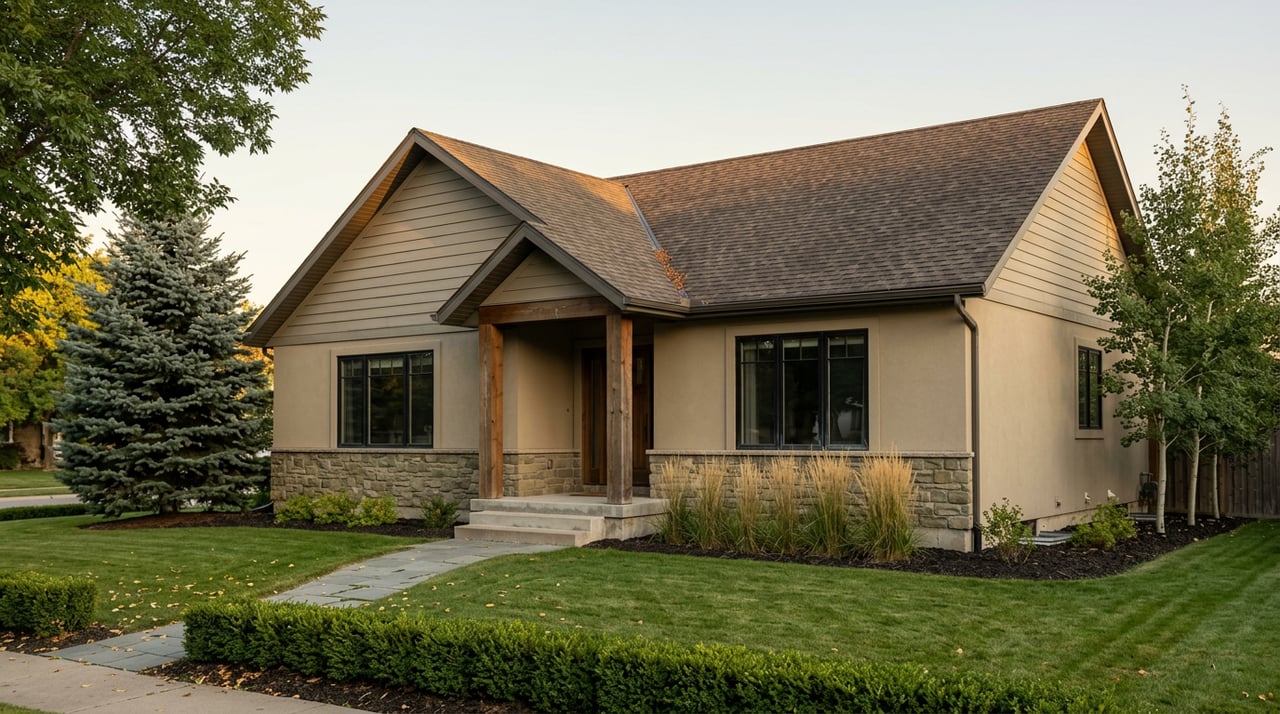
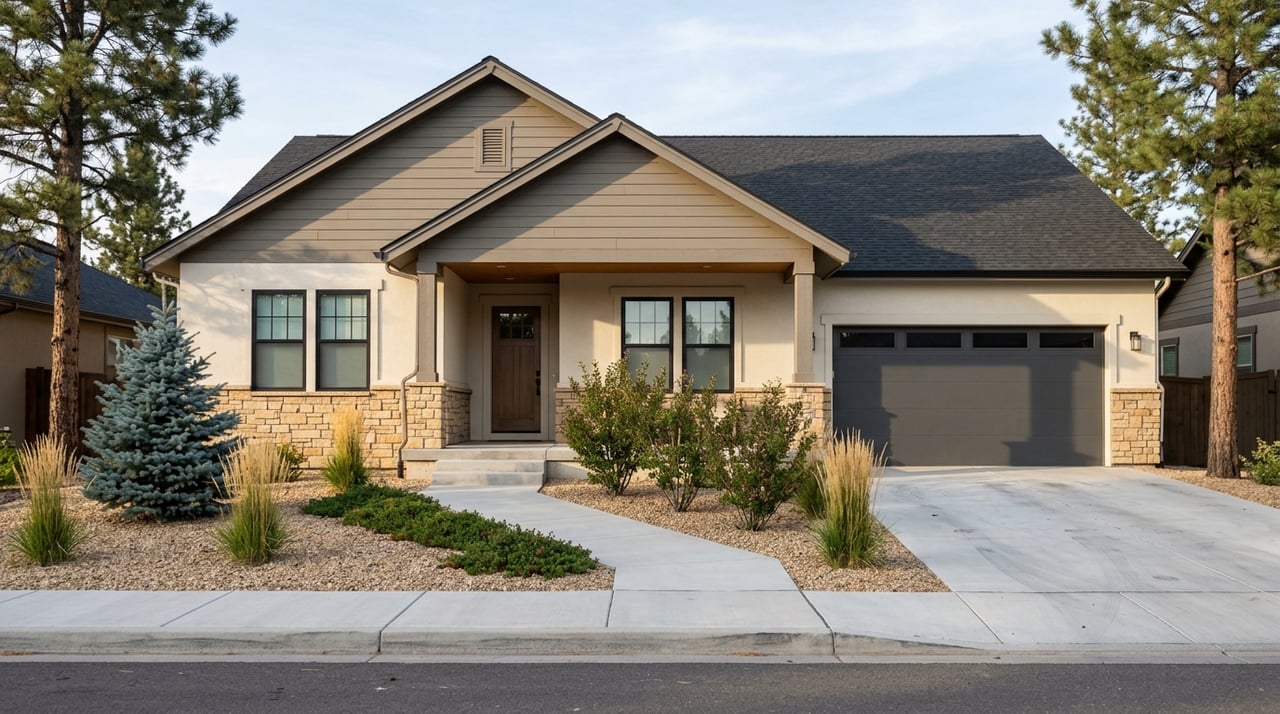
Wondering what it’s really like to buy a home in Castle Pines? If you’re comparing south metro Denver communities, Castle Pines can feel a little different from the start. You’ll find a more car-focused lifestyle, a wide range of home styles, and neighborhood-by-neighborhood details that matter more here than many buyers expect. This guide will walk you through pricing, housing options, carrying costs, and the due diligence steps that can help you buy with more clarity and less stress. Let’s dive in.
Castle Pines Market Snapshot
Castle Pines sits about 20 miles south of Denver, and it often attracts buyers who want a quieter south metro setting with open space, neighborhood amenities, and higher-end housing options. It is also important to know that “Castle Pines” can mean two related but distinct areas: the incorporated City of Castle Pines and The Village at Castle Pines, which is an unincorporated gated community in Douglas County.
As of March 31, 2026, Zillow shows a typical home value of $895,088 in Castle Pines. Zillow also reports 79 homes for sale and homes going pending in about 31 days. That puts Castle Pines near Lone Tree in price and above Highlands Ranch, Parker, and Castle Rock based on current Zillow values.
For you as a buyer, that usually means entering a market where pricing is not entry-level, but where the housing stock, lot sizes, and amenities can vary quite a bit by neighborhood. It also means you should look closely at what each area offers instead of assuming all Castle Pines homes fit the same mold.
What Homes Look Like in Castle Pines
Castle Pines is still heavily single-family in character. According to the city’s comprehensive plan, it has the highest percentage of single-family homes among its peer communities, though newer higher-density housing is being focused near commercial activity centers.
That said, Castle Pines is not one uniform housing market. Some areas lean toward larger homesites and private amenities, while newer sections offer a broader mix of detached homes, attached homes, and multifamily options. Your experience will depend a lot on which part of Castle Pines you target.
The Village at Castle Pines
The Village at Castle Pines is a gated master-planned community with about 1,900 homes across 2,800 acres. Official community materials describe spacious lots, trails, golf, and private-club amenities, and current estate sites are shown around 0.61 to 0.63 acres.
If you are looking for a gated setting with private amenities and more separation between homes, this area may feel very different from newer master-planned sections east of I-25. The Village also highlights features like pools, fitness, tennis, pickleball, play parks, 13 miles of trails, five staffed gated entries, security patrol, and emergency services.
Newer East-Side Areas
On the east side, the housing mix broadens. Castle Valley is a 249-acre development approved for up to 231 single-family homes, 400 multifamily residences, and 187 attached townhomes.
Castle Pines Town Center allows up to 475 single-family residences and 200 multifamily residences. The Canyons, another major annexation area east of I-25, is approved for up to 5,000 residential units along with open space, parks, and mixed-use commercial space.
For you, that means Castle Pines may offer more variety than its reputation suggests. If you want a detached home, townhome, or a more recently planned neighborhood setting, it is worth comparing subareas closely.
What Day-to-Day Living Feels Like
Castle Pines is shaped by open space, trails, and neighborhood recreation. The city says it manages nearly 60 miles of trails, 122 acres of parks, and more than 1,850 acres of open space.
That outdoor focus is a big part of the appeal. If your ideal routine includes walking trails, easy access to parks, and a quieter residential feel, Castle Pines may check a lot of boxes.
At the same time, Castle Pines is not currently part of RTD. The city’s transportation plan makes it clear that buyers should expect a car-first commute pattern, with I-25 serving as the main regional corridor.
That is one of the clearest lifestyle tradeoffs to understand before you buy. If you want transit access, Lone Tree offers RTD light rail and bus service, while Parker also has commuter transit options. Castle Pines tends to fit buyers who are comfortable driving and who place more value on space, setting, and neighborhood amenities.
HOA and District Details Matter Here
One of the biggest things to expect when buying in Castle Pines is a lot of address-specific due diligence. Many neighborhoods are HOA-governed, and the city specifically says it is not affiliated with HOAs and does not coordinate trash pickup.
That means you should verify the correct HOA for any property you are considering. You will also want to confirm dues, trash service, architectural rules, amenity access, and any rental or use restrictions tied to that home.
Colorado’s Division of Real Estate advises buyers in HOA communities to review the governing and financial documents listed in Section 7 of the Colorado Contract to Buy and Sell. The DRE also notes that restrictive covenants can affect how you use the property, so reading the CC&Rs before writing an offer, if possible, can help you avoid surprises.
In practical terms, this step matters in Castle Pines because neighborhood rules and amenities can vary widely. Two homes with similar list prices may come with very different monthly costs or day-to-day ownership rules.
Expect Variable Carrying Costs
Your monthly ownership costs in Castle Pines may vary more than you expect based on the exact address. The city collects 4.5 mills for law enforcement and safety and 12 mills for parks, recreation, trails, and open spaces, but metro district rates can differ by boundary.
The city also levies an annual stormwater utility fee. For utilities, drinking water and wastewater are provided by Castle Pines North Metropolitan District west of I-25 or Parker Water and Sanitation District east of I-25.
This is why it helps to look beyond the mortgage payment when comparing homes. A property’s HOA structure, district boundaries, utility provider, and related fees can all affect your true monthly budget.
The Contract Process Requires Attention to Timelines
Colorado’s standard residential contract is detailed, and the current Commission-approved residential form is mandatory for use on or after January 1, 2026. It includes contingency deadlines for items such as inspection, financing, appraisal, title, and HOA review.
For you as a buyer, that means timelines are not something to sort out later. In Castle Pines, HOA and district review can materially affect monthly costs and even your closing decision, so those deadlines need to be tracked carefully from the start.
A steady, organized approach can make a big difference here. When you understand what needs to be reviewed and when, the process feels a lot more manageable.
How Castle Pines Compares Nearby
Castle Pines often gets compared with Lone Tree, Parker, Castle Rock, and Highlands Ranch. The right fit depends on what matters most to you.
If you want a more transit-oriented and mixed-use environment, Lone Tree may feel more convenient. If you want a larger public recreation system or a more traditional suburban amenity mix, Parker and Castle Rock may be worth a closer look. If lower current home values are a priority, Highlands Ranch may stand out.
Castle Pines tends to make the most sense for buyers who value:
- A quieter south metro location
- Open space and trail access
- HOA-managed neighborhood upkeep
- Golf or gated-community options
- Higher-end housing compared with several nearby suburbs
That does not make it better for everyone. It simply means Castle Pines is often a stronger fit for buyers who prioritize setting, privacy, and neighborhood feel over transit access or lower entry pricing.
Smart Steps Before You Buy
Before you write an offer in Castle Pines, it helps to go in with a plan. A little extra preparation can save you time, money, and stress later.
Review the Neighborhood, Not Just the House
Make sure you understand whether the home is in the City of Castle Pines or The Village at Castle Pines. Then look at the specific neighborhood setup, lot size pattern, amenity package, and overall housing type mix.
Confirm HOA Rules Early
If the property is HOA-governed, verify the association and review the available governing documents as early as possible. Pay close attention to dues, services, restrictions, and how the community operates day to day.
Compare Total Monthly Cost
Look at more than price and interest rate. Ask how taxes, metro district charges, HOA dues, stormwater fees, and utility providers may affect your monthly payment.
Plan for a Car-First Lifestyle
If commute convenience matters, test the route using I-25 and think through your weekly routine. Castle Pines works best when the location supports how you actually live and travel.
Final Thoughts on Buying in Castle Pines
Buying a home in Castle Pines can be a great move if you want space, trails, a polished neighborhood feel, and access to higher-end housing options in the south metro area. The key is knowing that Castle Pines is not one-size-fits-all. From gated estate communities to newer mixed-housing areas, the details change from one section to the next.
When you know what to expect with pricing, HOAs, district costs, and commute patterns, you can make a more confident decision. If you want clear, straightforward guidance as you compare Castle Pines with other nearby communities, Stacy Connelly is here to help.
FAQs
What is the typical home value in Castle Pines?
- As of March 31, 2026, Zillow shows a typical home value of $895,088 in Castle Pines.
What types of homes can you buy in Castle Pines?
- Castle Pines is mostly single-family, but some newer areas include townhomes, attached homes, and multifamily residences.
What should buyers know about HOAs in Castle Pines?
- Many Castle Pines neighborhoods are HOA-governed, so you should verify dues, services, rules, amenity access, and any rental or use restrictions for the specific property.
What are commute expectations when living in Castle Pines?
- Castle Pines is not currently part of RTD, so most buyers should expect a car-first lifestyle with I-25 as the main regional corridor.
What makes The Village at Castle Pines different from the rest of Castle Pines?
- The Village at Castle Pines is an unincorporated gated community in Douglas County known for larger lots, private amenities, staffed gates, trails, and golf-oriented living.
Why do monthly ownership costs vary in Castle Pines?
- Carrying costs can vary by address because HOA dues, metro district rates, stormwater fees, and utility providers may differ depending on the property location.